

Are smart glasses getting boring?
I miss the weird and wonderful place we started from

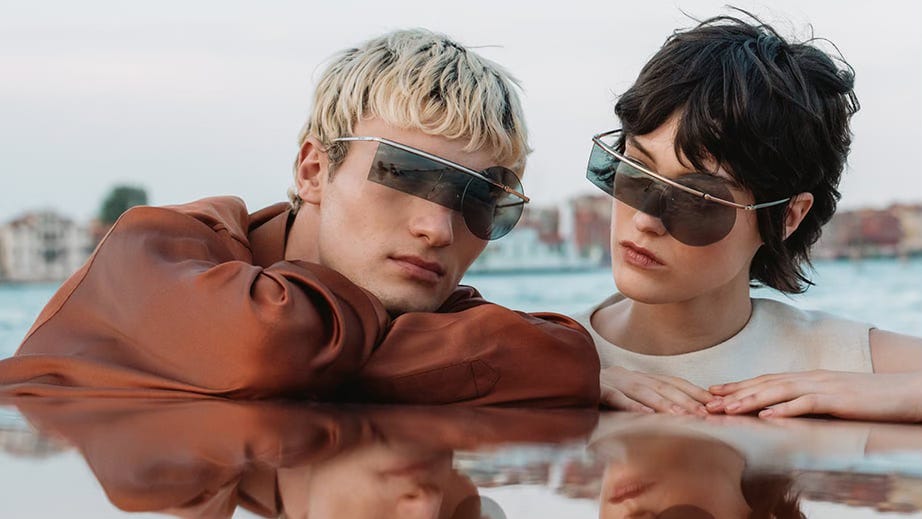
I say this with love, because I’ve spent over 20 years building in this industry. Are smart glasses getting a little too boring?
The goal in recent years has been to design glasses that look as ordinary as possible, aiming for the look of a regular pair of everyday glasses. For years, as an industry, we’ve strived to get as far away as possible from the nerdy aesthetic that looked like a science project fresh out of the lab — and trust me I was there I know what that looks like.
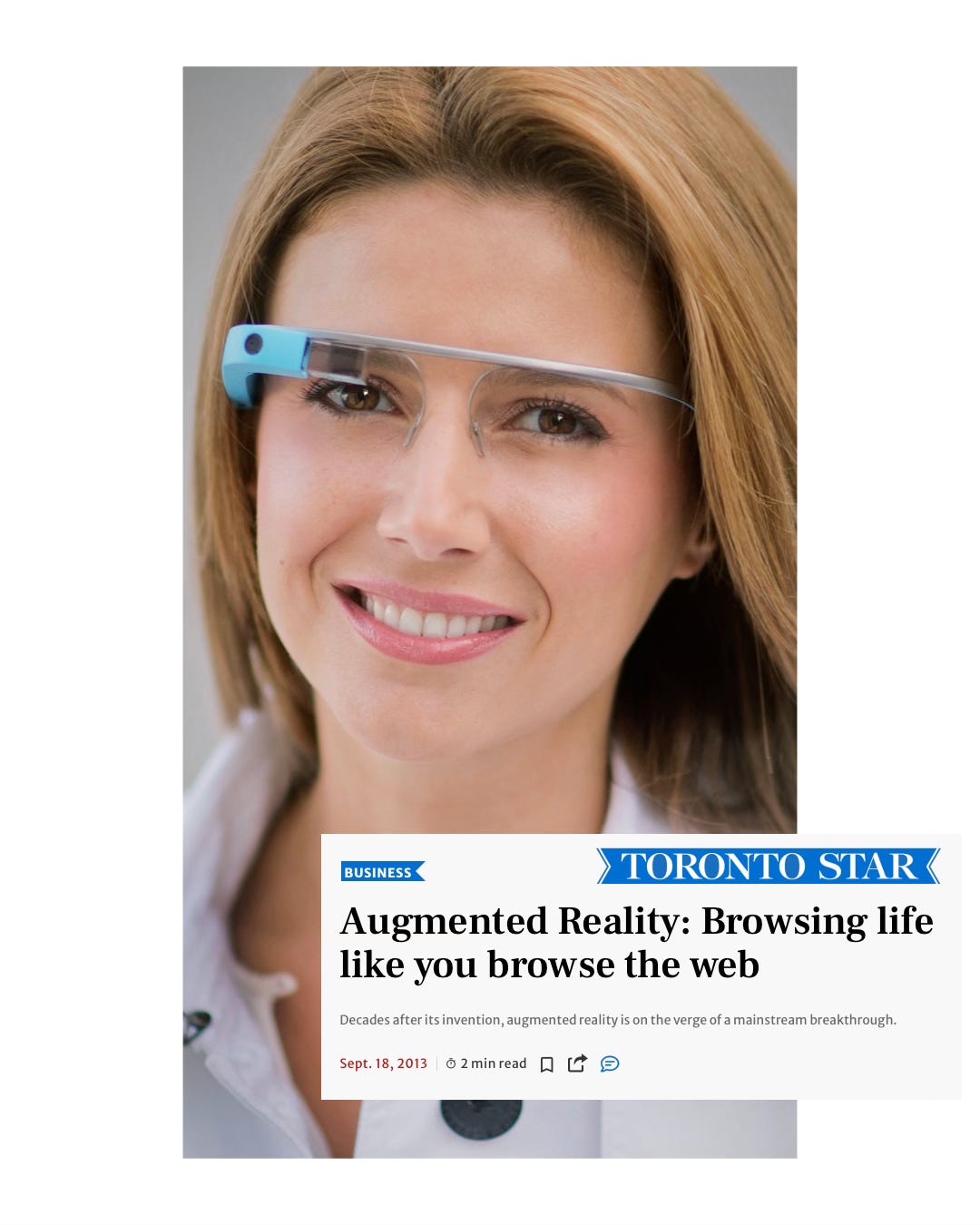
It was weird and wonderful and I feel like we’re starting to leave behind some of that avant-garde and originality as we move to eyewear designs that are seemingly more acceptable in daily life. But there’s also been a social backlash around glasses that blend in too much and have cameras that are hidden. It’s going to be this balance of announcing smart glasses through their design and still having something that we want to wear on our face and feel safe around.
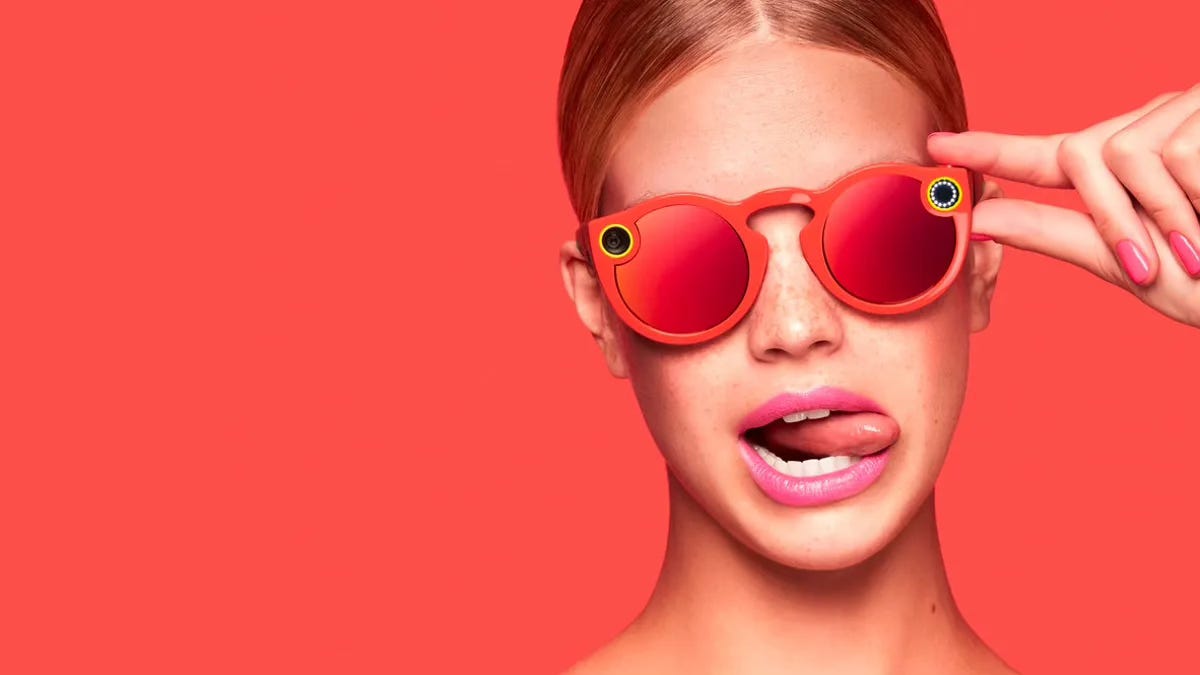
There have always been outliers. Snap’s original Spectacles were fun and unmistakably different. The glasses practically screamed, “Get in loser, this is a new kind of eyewear.” I’ve been a longtime fan and have every pair of Spectacles.
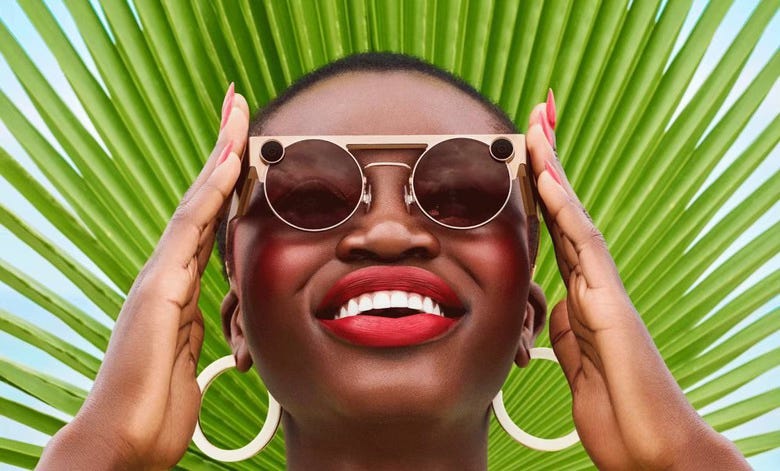
And Snap kept pushing the silhouette. Spectacles 3, had that strange, glamorous, almost steampunk quality: circular lenses, a strong brow bar, raised dual cameras, and a lightweight stainless-steel frame that made them feel less like hidden technology and more like a fashion object from an alternate future.
Then there are the more recent AR-forward designs, including the angular developer-style glasses that feel closer to cyberpunk eyewear than polite optical frames. They’re not trying to pass as ordinary. They have a harder, more architectural edge: part visor, part face-worn interface, part fashion provocation. I look at those and think: yes, more of this energy, please.
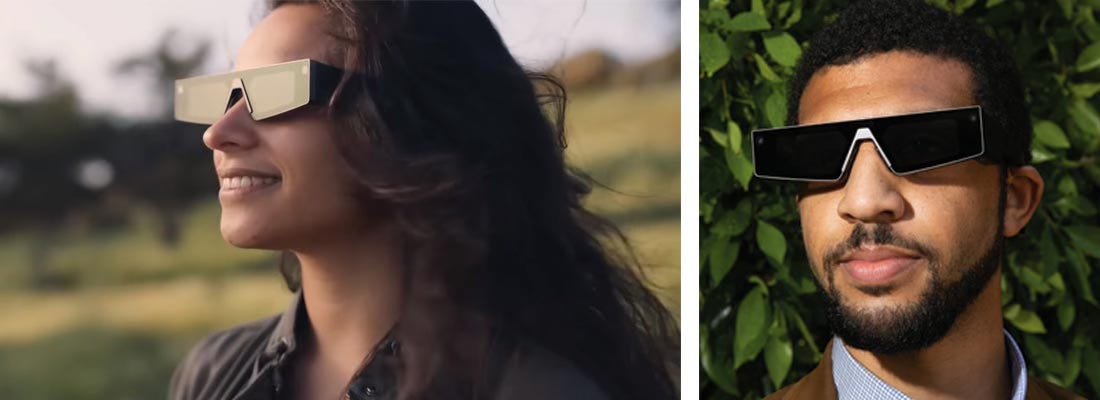
Which brings me to my dream collab for intelligent eyewear: Pierre Cardin.
I’ve been sharing Pierre Cardin designs as smart glasses inspiration for years because they already speak the language this category needs. Cardin’s eyewear doesn’t simply decorate the face; it changes the architecture of the face. The shapes are geometric, sculptural, space-age, and a little theatrical. They suggest a future you can wear, rather than a device you are trying to hide (more in the video below).
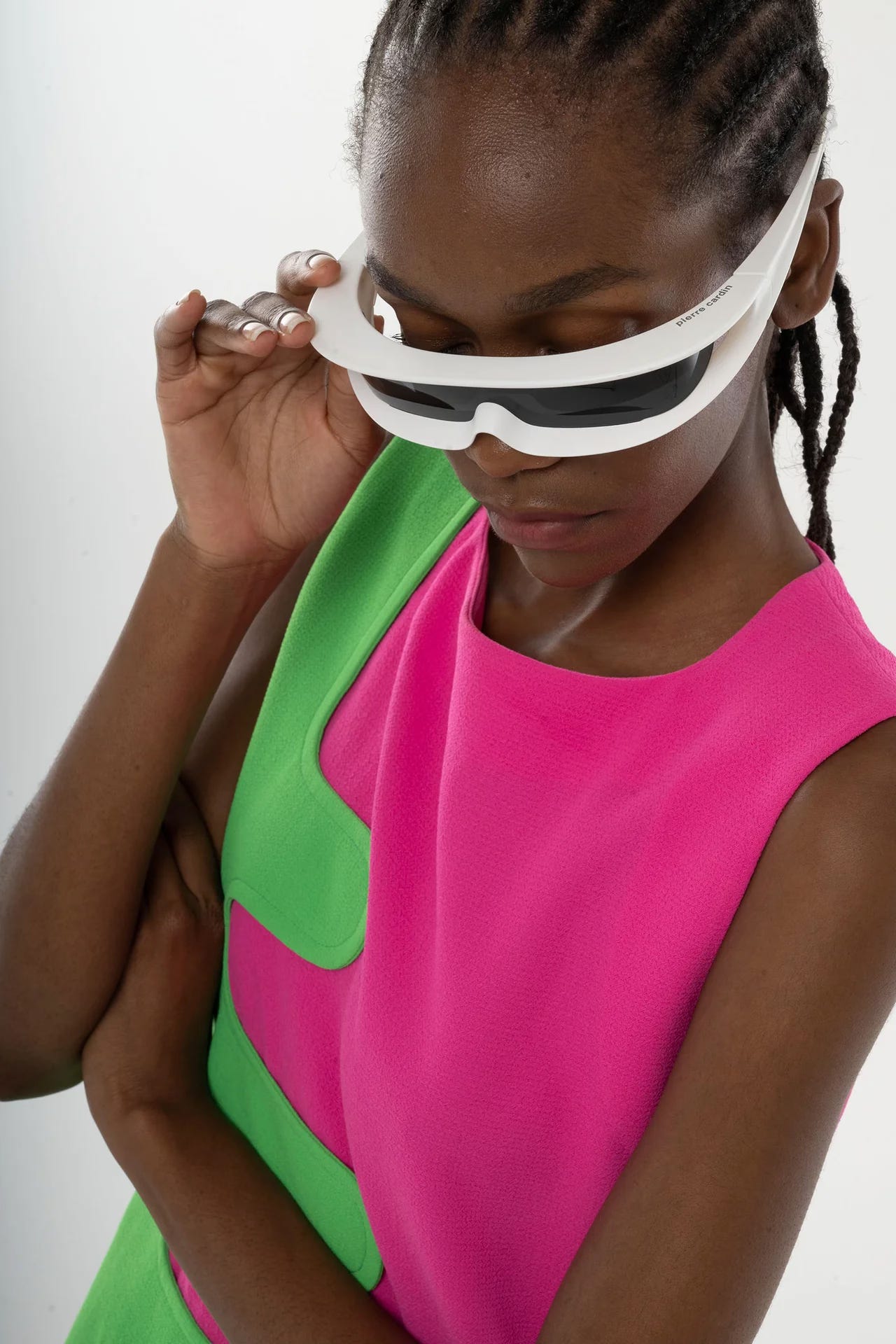
And here’s the interesting business detail. Pierre Cardin prescription frames and sunglasses are licensed through Safilo, the Italian eyewear company. Their eyewear relationship began in 1991, and the agreement has been renewed through 2031. Under the renewed agreement, Safilo continues to design, manufacture, and distribute Pierre Cardin prescription frames and sunglasses worldwide.
Now that’s an important strategic note because Pierre Cardin is not part of the EssilorLuxottica family, which Meta has a long-term partnership with on smartglasses. A Pierre Cardin special edition frame could be an exciting lane for another player, whether Google, Snap, or even Apple.
So what do you think: are smart glasses becoming too invisible? And what fashion house or eyewear brand would you want to see enter this space?
I’m Dr. Helen Papagiannis, a pioneering expert in immersive and emerging technologies with over 20 years of experience shaping the future through human-centered design.
I write about this and more in my upcoming book “Reality Loading.” Be sure to sign up for updates (Paid Subscribers and Founding Members of this Substack get an early look) and get in touch to secure me as a keynote speaker for your next event. You can also follow me on Instagram here.