

The It-Frame Is Coming
Google’s Intelligent Eyewear Reveal with Gentle Monster and Warby Parker at I/O

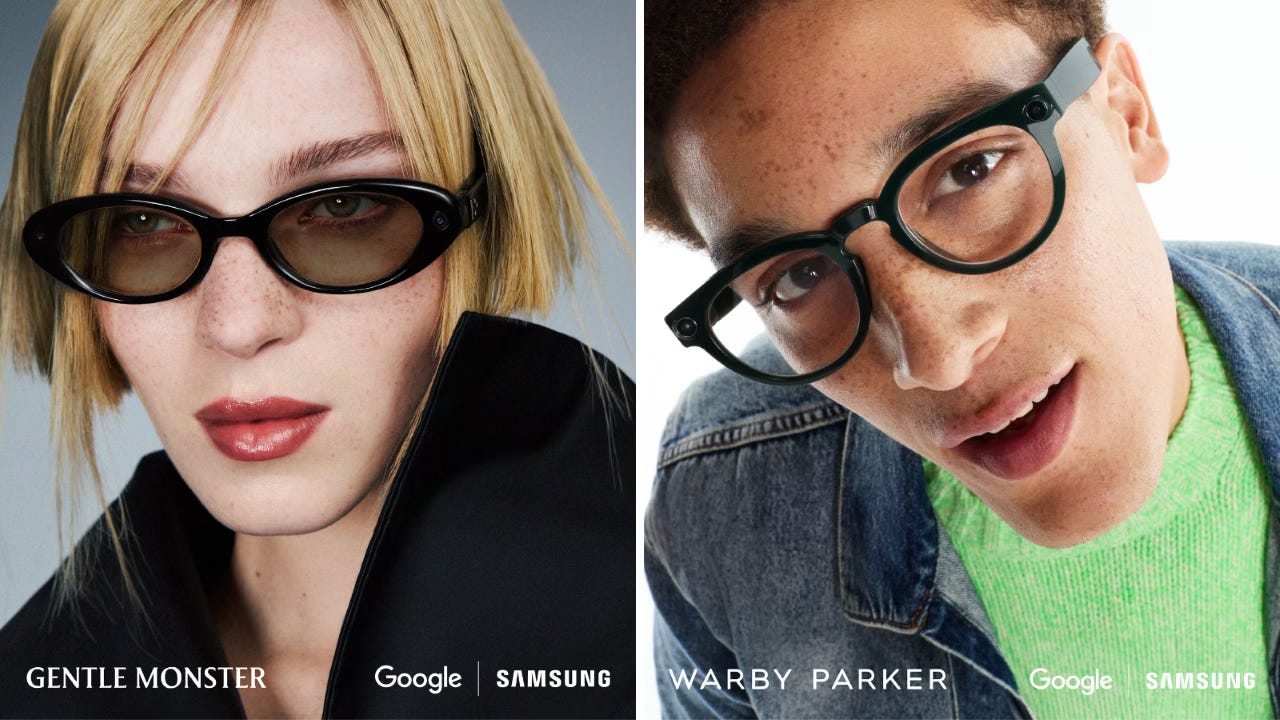
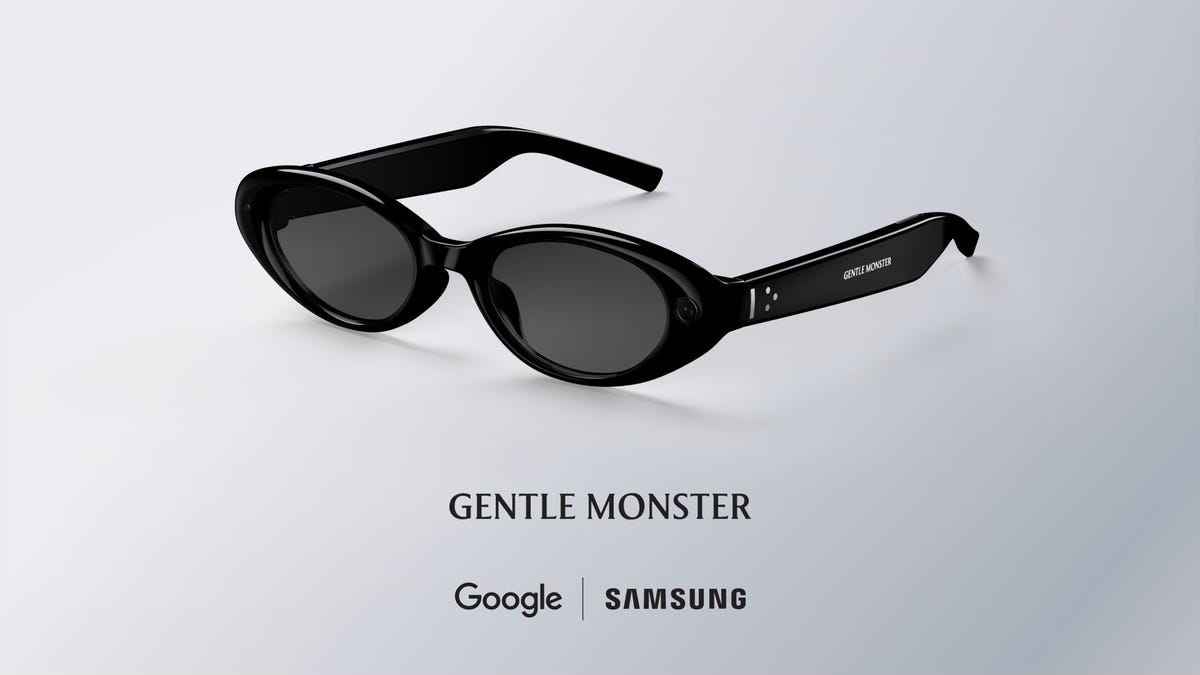
Google just showed a first look at its intelligent eyewear designs with Gentle Monster and Warby Parker at I/O, but the reveal was more about cultural specs than tech specs. And with Snap’s consumer glasses, Specs, also coming this year, intelligent eyewear is heading into a very busy and fashionable Fall.
Smart glasses are about to become one of the most important consumer technologies of the next decade. And this time, they don’t look like science projects.
Intelligent eyewear is emerging as a new cultural object. For years, smart glasses were introduced as wearable computers and then softened through design. Today’s approach sits closer to the category of eyewear itself: prescription, retail, fashion, and identity.
People don’t put technology on their face simply because it’s useful; they put something on their face because it works with how they live, how they see, and how they want to be seen.
That’s why the partners are the story today. (If you subscribe, thank you, and you know I’ve written about this before.) The whole category is moving toward something far more wearable, desirable, and everyday.
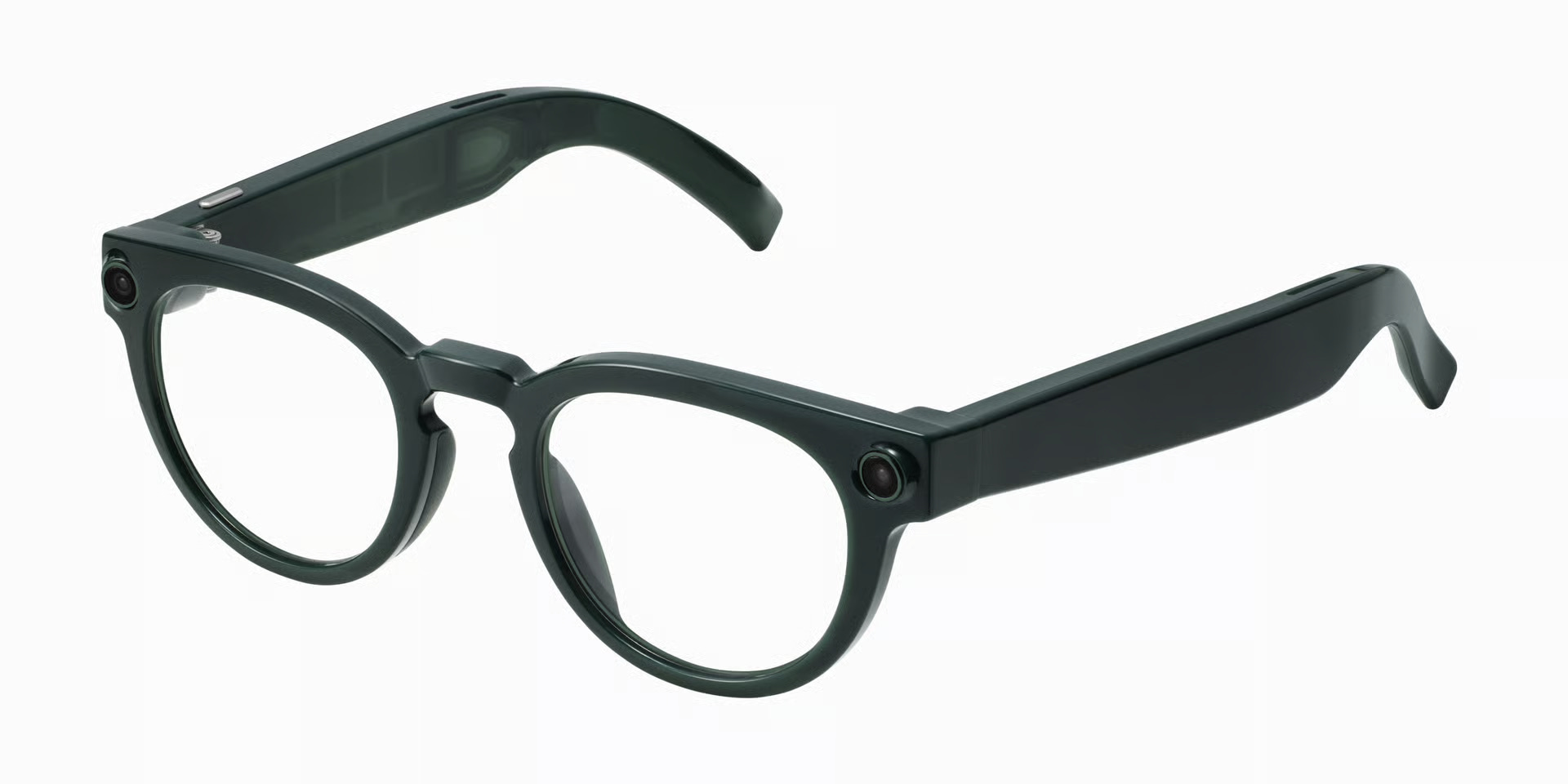
Warby Parker sits in the functional lifestyle category of prescription eyewear. It’s about affordability, utility, and everyday integration. Gentle Monster, by contrast, operates in fashion spectacle and the avant-garde. It treats eyewear as a statement object, closer to art than vision correction with retail environments that feel like immersive theatre.
Together, they show the range intelligent eyewear has to cover to reach adoption. (And luxury is not to be forgotten either: Google’s Gucci frames collab is coming next year.)
But, this isn’t Google’s first rodeo. In 2012, Google Glass made its fashion debut on Diane von Furstenberg’s New York Fashion Week runway for her Spring 2013 collection (pictured below). The Explorer Edition launched a year later in 2013, available to qualified “Glass Explorers” for $1,500.
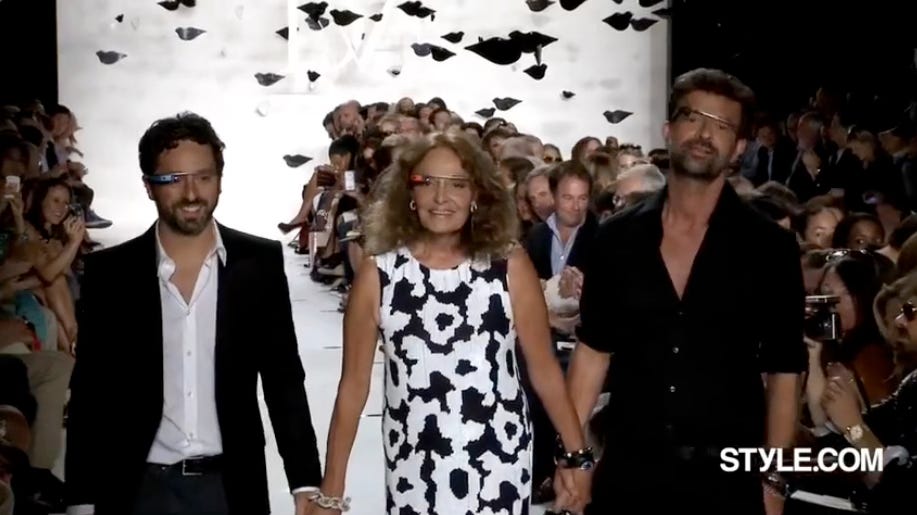
That chapter gave wearable computing a place in fashion history, but the category was still largely understood as technology trying to find its place in culture. Today, the entry point is the frame itself: the brands, retail experiences, styling, and desire people already associate with eyewear.
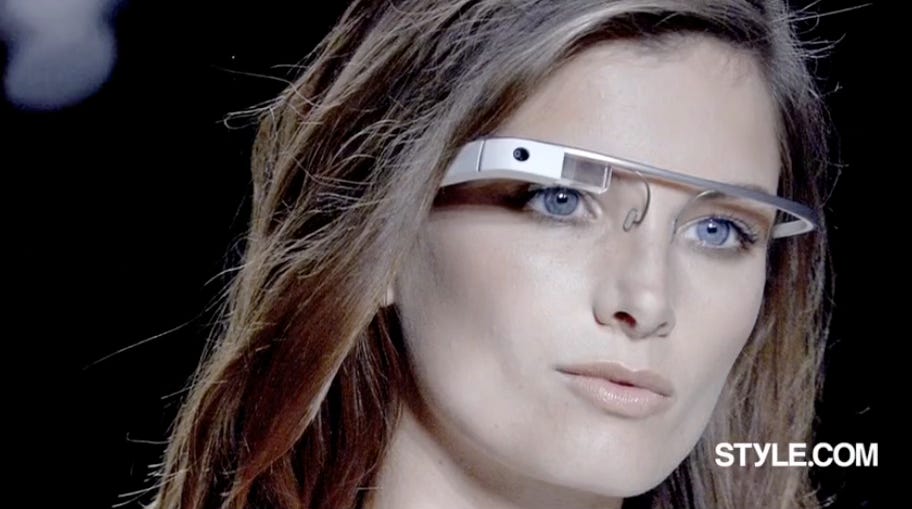
This is the balance the category has to get right: intelligent eyewear is both technology and object culture. The machine intelligence has to be useful, trusted, and discreet enough to support daily life, but the frame has to stand on its own as something people actually want to wear.
I keep circling back to something Alan Cooper, a pioneer of interaction design and user‑centered digital products, once observed (thank you Thomas Winkler for sharing this with me). When you add computing to everyday objects, they often just become computers. This leads to “computers invading” everyday life.
When the next interface is your face, intelligent eyewear has to pass the mirror test.

It’s what people want from great glasses, great makeup, great styling, and great tailoring. These are intimate forms of self-presentation, worn on the face and body. They change how we feel, how we carry ourselves, and how we are seen, but the best ones never overpower the human underneath.
The mirror test is simple: the human is what needs to be in focus.
I’m Dr. Helen Papagiannis, a pioneering expert in immersive and emerging technologies with over 20 years of experience shaping the future through human-centered design.
Sign up for updates on my upcoming book (Paid Subscribers and Founding Members get an early look) and get in touch to secure me as a keynote speaker for your next event. You can also follow me on Instagram here.